 Glowproof
How to prepare skin photos and notes for a dermatologist appointment
Before a dermatologist appointment, gather dated photos taken in steady light, a short timeline of products and changes, notes on what you noticed and a list of questions. Bring them on your phone or printed, keep the notes short, and ask the clinic how it prefers to receive images. Do not diagnose yourself.
Coming soon to iPhone
Why bring photos and notes?
Skin changes, and a visit captures only one moment. A condition that flares on Tuesday may be calm on Friday. Photos show what you saw when you saw it, and a timeline shows what else was happening. Clinicians are used to this. A short, organized record saves time in a short appointment.
Dermatology is the branch of medicine dealing with the skin, as the Wikipedia article on dermatology puts it. Your record supports the conversation, and the clinician does the interpreting.
What photos should you take?
Aim for clarity and consistency. Take the same area from the same distance, in daylight facing a window and without flash. Take one wide shot to show where the area sits on the face or body, and one close shot for detail. Avoid filters and beauty modes. Date each photo, and if you can, take one every few days leading up to the visit.
If something changes quickly, add a photo the day of the visit. The guide to taking photos at home covers the setup.
What goes in the timeline?
A one-page list in date order works best.
Include products, medicines you take, changes in routine, and any events that stand out. Keep it factual. You are giving the clinician a map, and they will ask for details they need.
| Date | What changed |
|---|---|
| Sept 3 | Started new moisturizer |
| Sept 20 | Travelled, used hotel soap |
| Oct 1 | Noticed red patch on left cheek |
| Oct 6 | Stopped the new moisturizer |
What notes are useful?
Short lines: where, since when, what it feels like, what makes it better or worse. Use your own words. Do not copy diagnoses from the internet. If something itches, burns or hurts, say so. If you have had a similar problem before, mention it.
What questions should you ask?
Write three to five in advance, since appointments go quickly. For example: What do you think is going on? Should I stop any of my current products? What should I watch for? When should I come back? What can I try, and how long before we review it? A written list is easier to follow than memory in a short visit.
How do you share photos safely?
Ask the clinic how it prefers to receive images. Many have a patient portal, a secure upload or a policy for showing photos on your phone during the visit. Avoid sending sensitive images through ordinary messaging apps unless the clinic asks for that. Delete copies you no longer need. Do not post them publicly to ask strangers for opinions.
How can an app help?
A photo diary keeps dated pictures in one place with notes. Glowproof, an iPhone skin photo diary in development, saves a daily photo with a light check against your Day 1 photo, your own tags and notes, and area notes for the forehead, nose, cheeks, chin or jaw. Its Compare screen puts two photos side by side with their dates and the number of days between them. It does not diagnose or describe your skin. You can export a zip of your photos and a JSON file of your notes from Me, Privacy and data. See side by side comparison and Glow Check.
When should you not wait for an appointment?
If a spot bleeds, changes quickly, causes severe pain, spreads fast, or comes with fever or swelling, seek medical care promptly. A diary is a tool for ordinary tracking and for supporting a visit. It is not a substitute for care when something looks urgent.
How far ahead should you start?
Start two or three weeks before the visit if you can. A few photos spread over that time show a trend, and a timeline of products starts to take shape. If the appointment is tomorrow, take photos today and write down what you remember. A rough record is much better than none. Do not change your routine just to create a record, though; tell the clinician what you normally do.
What should you not bring?
Leave out photos taken with filters, beauty modes or heavy editing. They hide the detail a clinician needs. Avoid long, speculative theories from search results, and avoid arguments you have read online. Bring the facts and the questions. If you have a product list, bring the products themselves if they are few, or clear photos of the labels.
How do you describe what you see?
Use plain words and avoid labels. A red patch on the left cheek, about the size of a coin, itchy in the evening, since two weeks is more useful than a guess at a condition. Mention anything that changed it, such as a new product, a trip or a stressful period. If you are unsure of a word, point to the photo.
How do you use the appointment time well?
Show your timeline first, then the photos, then ask your questions. Take notes during the visit or ask the clinician to write down the plan. Repeat the plan back in your own words to check that you understood it. After the visit, add a line to your diary with the date, the advice and any products to start or stop. A follow-up is far more useful when your record includes what you were told.
What if you do not have many photos?
Do not worry. Take a few now, in good light, and add notes about the history as best you remember it. Clinicians are used to hearing history from memory. Your photos help, but they are not a requirement for being seen. The most important thing is to attend and describe what is happening honestly.
What about teledermatology or online visits?
Some clinics offer visits by video or by uploaded photos. In that case your photo quality matters even more. Follow the clinic's instructions for lighting and framing, and send the images through the channel it names. Ask in advance how long the images are kept and who can see them. A clear, steady photo and a short written history are what a remote clinician needs most.
Frequently asked questions
What photos should I bring to a dermatologist?
Dated photos of the area, a wide one and a close one, in steady light without flash or filters.
Should I list the products I use?
Yes. Bring a dated timeline of products, medicines and routine changes.
How should I send photos to my dermatologist?
Ask the clinic. Many prefer a patient portal or showing photos on your phone during the visit.
Can an app diagnose my skin?
No. Glowproof stores your photos and notes and does not describe or diagnose anything on your skin.
When should I see a doctor urgently?
If a spot bleeds, changes quickly, hurts a lot or spreads fast, seek care promptly.
Keep exploring
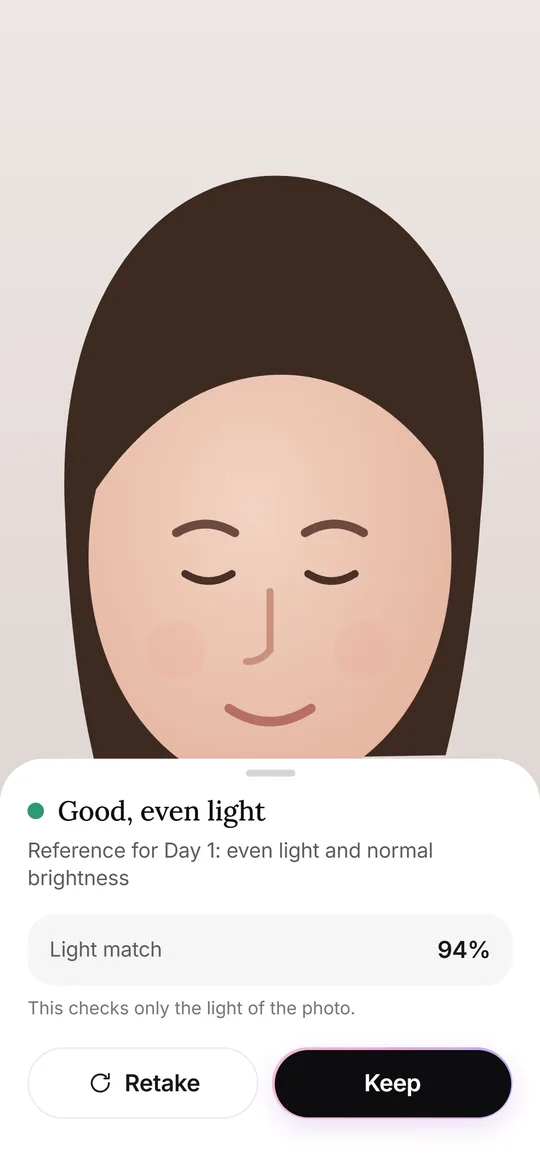 Glow CheckThe daily photo: guide, light check, your feel, tags and notes.
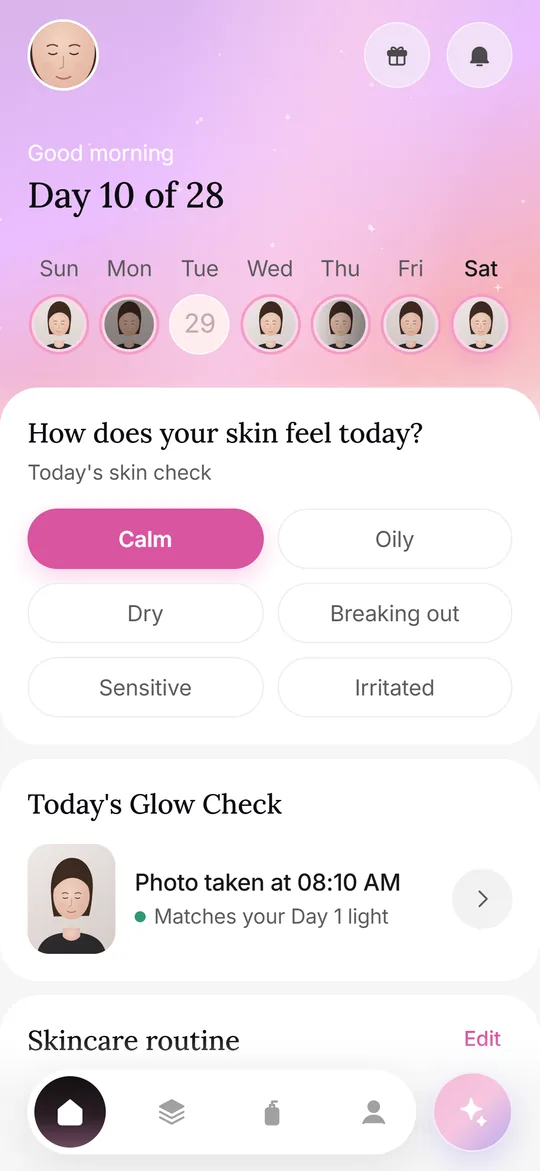 Photos at homeA repeatable home setup: spot, light, distance, angle, timing and a Day 1 reference.How to Patch Test a New Skincare Product and Log ItA plain at-home patch test routine for a new skincare product, with a log template and when to ask a professional.